
Healing was never meant to happen alone.
Awareness is only the beginning.
Rachel Babaganov
Rayvin Rey
Our vision
A world where women do not have to carry everything alone.
Our mission
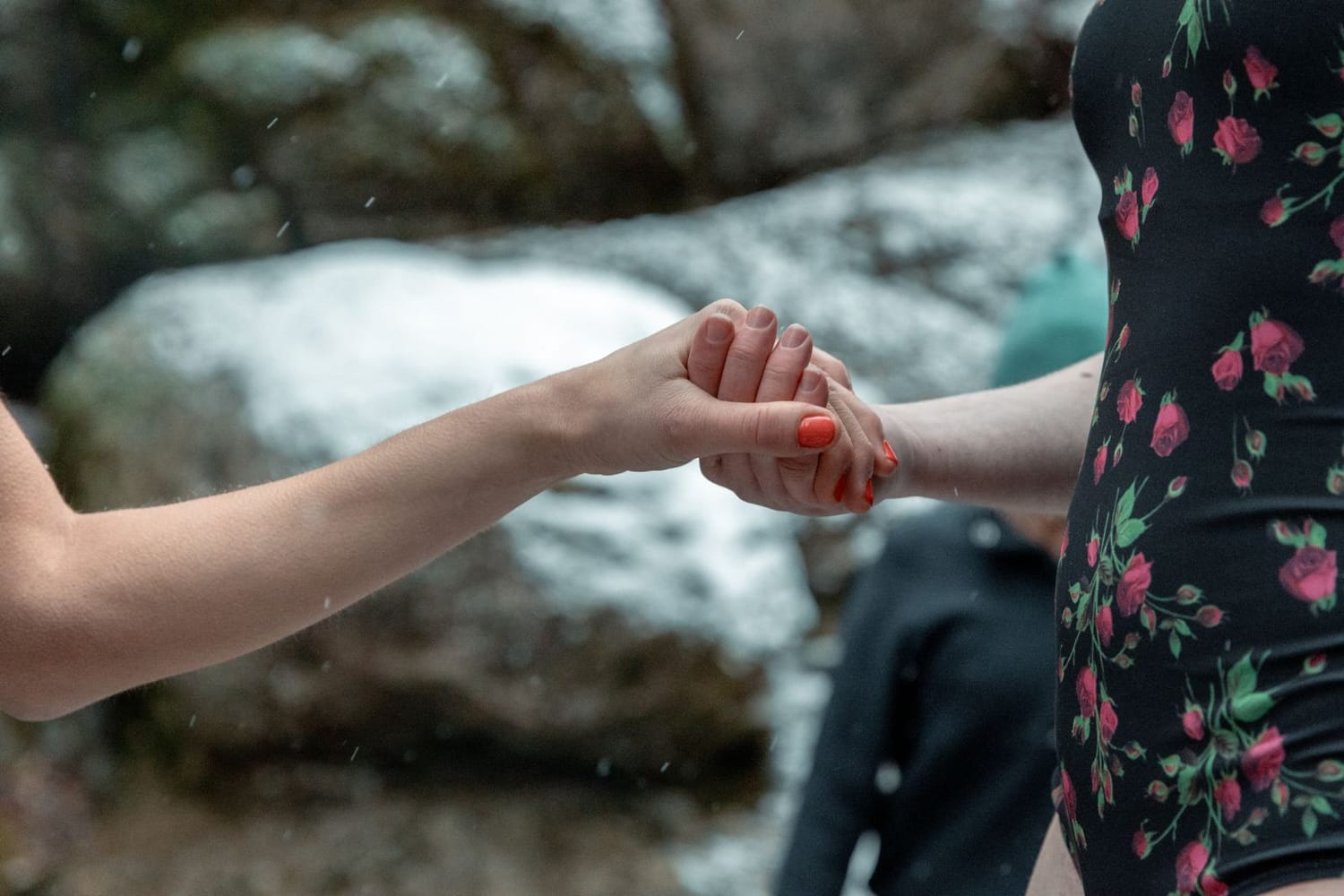
To make emotional support practical, embodied and accessible.
Through the CoHealing Method, we teach women how to reconnect with their bodies, understand their emotions and needs, ask clearly for support and hold space for one another without fixing or judging.
Why CoHealing Exists
Rachel and Rayvin both spent years trying to understand themselves through education, personal development, and different healing practices.
That understanding mattered—but they each discovered that insight alone did not always create change. What was often missing was embodied practice, genuine connection and a place where emotions could be witnessed rather than analysed or fixed.
CoHealing grew from that shared realisation.
Meet Rachel
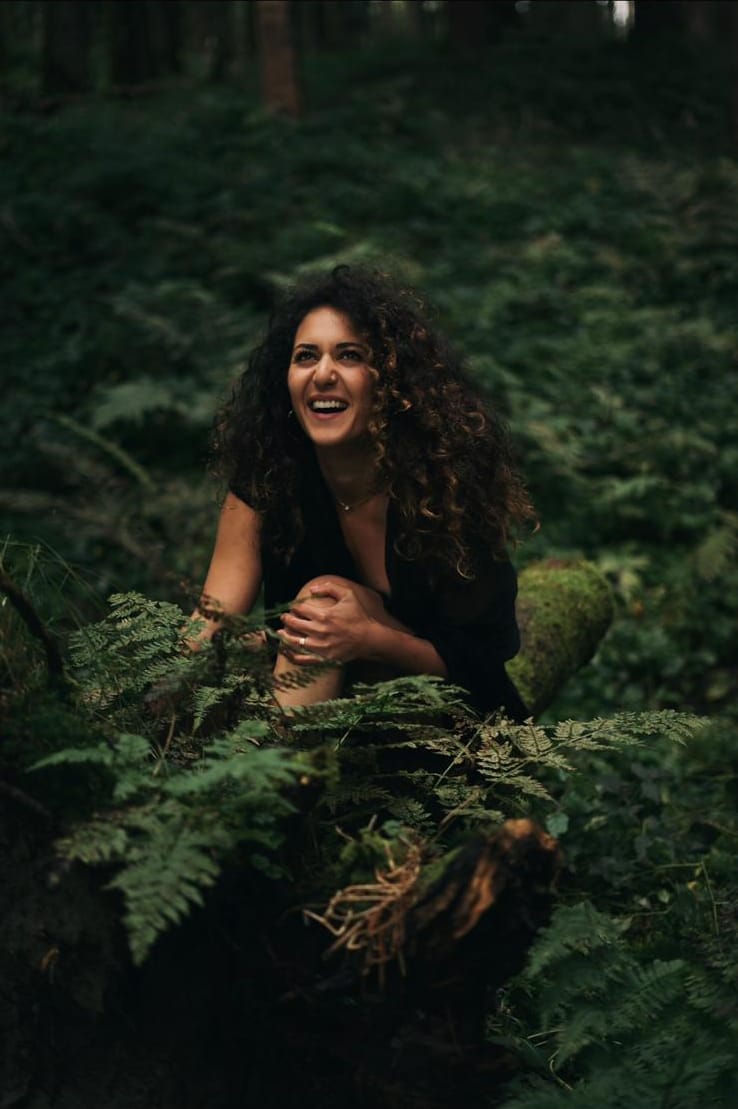
My path into this work didn't begin with becoming a coach.
It began with trying to understand myself.
For much of my life, I was the person who held everything together. I was responsible, independent, deeply caring, and highly attuned to the needs of others. But underneath that, I often struggled to understand my own emotions, express what I needed, or allow myself to receive support.
Like many women, I believed that if I could just understand myself enough, things would eventually change.
That belief led me into healthcare. I trained as a nurse before completing a Master's in Public Health, where I focused on mental health, resilience, and research. Alongside my professional work, I immersed myself in everything I could find that might help me heal: trauma therapy, breathwork, meditation, nervous system regulation, EMDR, somatic work, Internal Family Systems, and many other approaches.
Each experience gave me another piece of the puzzle.
But something still felt missing.
I realised that insight alone doesn't necessarily create change.
We can understand exactly why we react the way we do and still find ourselves overwhelmed in the middle of an argument. We can know our childhood patterns and still struggle to communicate our needs with the people we love most.
Real healing doesn't happen through insight alone.
It also happens through experience.
Through learning how to stay with our emotions instead of avoiding them.
Through reconnecting with our bodies.
Through practising new ways of relating.
Through being witnessed without judgement.
And through discovering that we don't have to carry everything alone.
One of my greatest teachers has been my own relationship.
It showed me how deeply we can love someone while still becoming caught in old patterns of protection, fear, shutdown, or conflict. It also taught me something that completely changed how I understood healing:
No partner should be expected to be our therapist, our entire support system, and our only place of emotional safety.
We were never meant to carry that responsibility for one another.
We need trusted people outside our relationship who can help us slow down, regulate, understand what we're feeling, and reconnect with ourselves before we return to the conversation.
That understanding eventually became one of the foundations of the CoHealing Method.
Today my work brings together my background in healthcare, public health, trauma-aware facilitation, nervous system education, embodiment practices, and my own lived experience.
More than anything, I help people move beyond simply analysing their emotions.
I help them build the capacity to feel them, understand them, communicate them, and receive support in ways that create lasting change.
Because healing isn't just about feeling better.
It's about creating relationships—with ourselves and with others—that allow us to keep growing long after a programme or therapy session has ended.
My Approach
My work is informed by:
Bachelor's Degree in Nursing
Master's Degree in Public Health
Certified Wim Hof Method Instructor
More than a decade of experience across healthcare, public health, resilience, research, coaching, and facilitation
Trauma-aware facilitation
Somatic and body-based approaches
Nervous system awareness and regulation
Parts Work and Internal Family Systems–informed principles
Breathwork and emotional processing
Compassionate Inquiry
Needs-based work and Nonviolent Communication
Coregulation and relational healing
Tony Robins
I believe therapy can be life-changing, and I continue to value professional support as an important part of healing.
At the same time, most of life doesn't happen inside a therapist's office.
It happens during difficult conversations with our partner.
While parenting.
When we feel rejected.
When anxiety suddenly takes over.
When old protective patterns resurface.
We need practical tools for those moments.
We also need people around us who know how to listen without trying to fix us, who can help us regulate without creating dependence, and who remind us that we don't have to navigate life's challenges alone.
My role isn't to tell people how to live.
It's to create the safety, structure, and practices that help them reconnect with their own wisdom, strengthen their relationships, and build communities where healing becomes something we can practise together—not something we only experience once a week in a therapy room.
Meet Rayvin
I was searching for answers anywhere they were promised for as long as I can remember. I thought if I could understand myself well enough, everything in my life would change.
I got a psychology degree. I listened to the podcasts. I completed yoga teacher training. I'm currently enrolled in a two-year trauma-informed breathwork certification. And I've spent years filling journal after journal, giving my thoughts a place to breathe.
I tried therapy a couple of times. But support felt difficult to access. Sometimes financially. Sometimes emotionally. Sometimes because I didn't feel seen enough to keep showing up.
I became really good at understanding myself. My patterns. My triggers. My reactions.
Then I became frustrated when I realized awareness was only the beginning.
It's what you do with that awareness, and the support you have while you're growing, that makes something new possible.
Support changed everything.
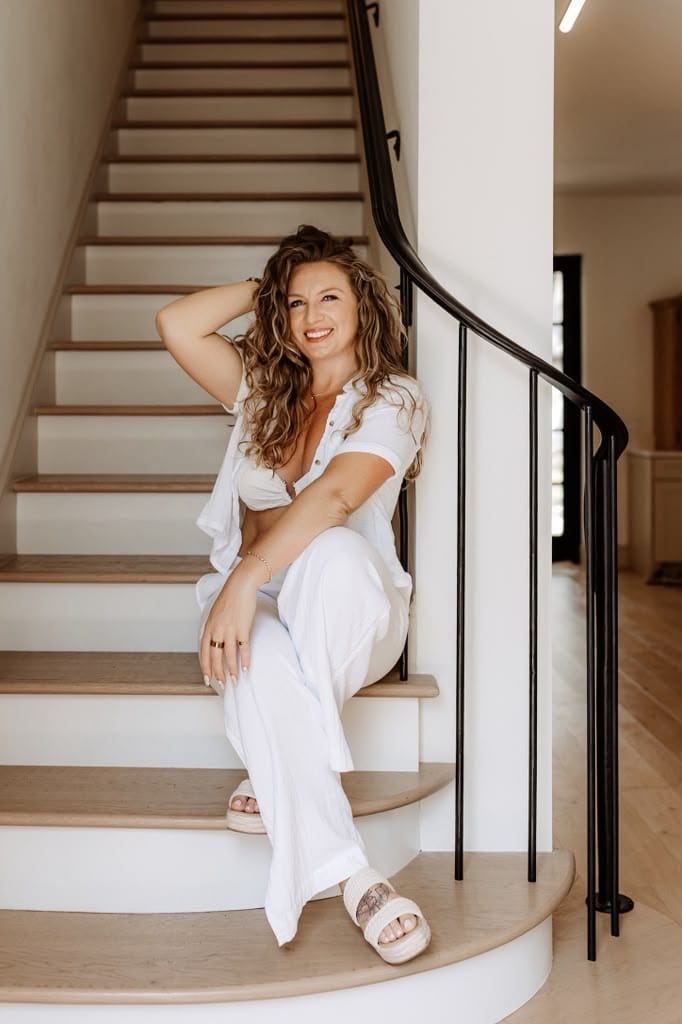
When I experienced being genuinely held and supported, my relationship with this work, and with myself, transformed.
Not because it made my emotions disappear.
Because it gave them somewhere to exist. For the first time, I didn't feel like I had to figure it all out alone. I felt safe enough to take off the mask. To put down the performance. To explore myself without the pressure I'd spent years putting on myself.
Slowly, my conversations with myself began to change.
How do I fix myself?
became
What is this relationship bringing up in me?
I noticed I was judging myself less. I had more curiosity. More capacity. The range of my emotions didn't change. It's my relationship to them that continues to.
I stopped assuming every uncomfortable feeling needed to disappear before I could be okay. There wasn't something to fix. There was something to witness.
I learned the value of creating spaces where it is safe to stumble. Where you don't have to hide the messy parts of yourself. Where there is room to be seen before you've figured everything out.
That's the space I'm interested in creating. Not a space that fixes you. A space where your questions can be witnessed instead of rushed. Where your experiences can be explored instead of judged. Where support isn't something you have to manage or earn.
Because we were never meant to carry our inner world alone.
Discover the work that grew from our shared vision.
Join other women who are learning the CoHealing Method.